

Contents
- 1 - Strategy 1: Content Creation and Outreach
- 2 - Strategy 2: Leverage Influencer Marketing
- 3 - Strategy 3: Build Relationships with Industry Experts
- 4 - Strategy 4: Press Releases and Media Coverage
- 5 - Strategy 5: SEO and Backlink Building
- 6 - Strategy 6: Online Reviews and Reputation Management
- 7 - Strategy 7: Engage on Social Media
- 8 - Conclusion
In the modern digital landscape, a well-planned digital PR strategy can significantly enhance your business’s online visibility, credibility, and engagement with customers. Digital PR goes beyond traditional public relations by incorporating SEO, content marketing, and social media outreach, creating a multi-faceted approach to managing a brand’s online presence. Here are the top seven digital PR strategies that businesses can use to strengthen their online reputation and increase visibility.
Strategy 1: Content Creation and Outreach
Effective digital PR starts with high-quality content. Businesses need to create engaging, informative, and valuable content that is shareable and appealing to their target audience. This could include blog posts, infographics, videos, or thought leadership articles that demonstrate expertise. Content should be SEO-optimised to ensure it ranks well on search engines.
Media Outreach
Once you’ve created valuable content, it’s crucial to get it in front of the right audience. Reaching out to journalists, bloggers, and influencers who cover your industry is an excellent way to amplify your message. Securing features in reputable publications helps build credibility and generates backlinks that improve SEO.
Example: A tech startup might publish an annual industry trends report that is picked up by major publications, resulting in a spike in traffic, media coverage, and backlinks.
Strategy 2: Leverage Influencer Marketing
Collaborate with Influencers
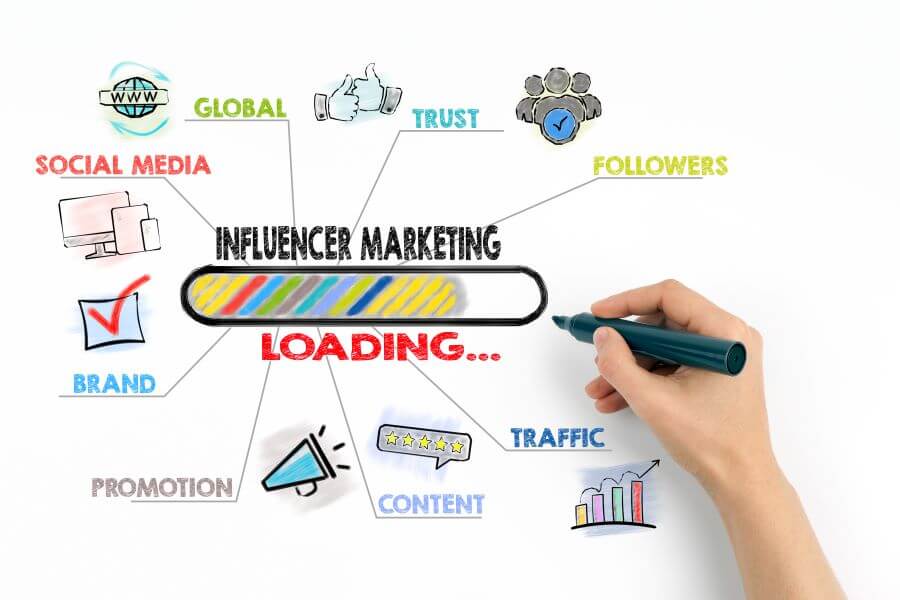
Influencer marketing is a powerful way to extend the reach of your digital PR efforts. By partnering with influencers who have an engaged and relevant audience, businesses can effectively communicate their message in a way that resonates with potential customers. Ensure that the influencers you choose align with your brand values and messaging to maintain authenticity.
Micro-Influencers for Greater Authenticity
Micro-influencers, those with smaller but highly engaged audiences, often offer higher engagement rates and more authentic interactions. For businesses targeting niche markets, these influencers can be incredibly effective.
Example: A skincare brand partners with micro-influencers who regularly post about skincare routines, leading to increased social media engagement and product sales.
Strategy 3: Build Relationships with Industry Experts
Engage with Thought Leaders
Building relationships with industry thought leaders is a powerful way to enhance your business’s authority. Invite experts for guest blog posts, podcasts, or webinars. These collaborations not only lend credibility to your brand but also expose you to new, engaged audiences.
Use LinkedIn and Twitter
Social media platforms, especially LinkedIn and Twitter, are excellent tools for connecting with industry leaders. Regularly share content, engage in discussions, and participate in relevant groups to build relationships that can elevate your digital PR efforts.
Example: A SaaS company collaborates with an industry thought leader on a webinar discussing future trends in technology, positioning the company as a forward-thinking leader in its space.
Strategy 4: Press Releases and Media Coverage
Targeted Press Releases
Press releases remain a vital part of digital PR. When launching new products, announcing partnerships, or hitting major business milestones, issuing a well-crafted press release can generate media attention and drive traffic. Make sure to distribute press releases to relevant industry publications for maximum impact.
Example: A fintech company announces a partnership with a major bank via a press release distributed through key financial media outlets, resulting in widespread coverage and increased brand credibility.
Strategy 5: SEO and Backlink Building
SEO-Driven PR
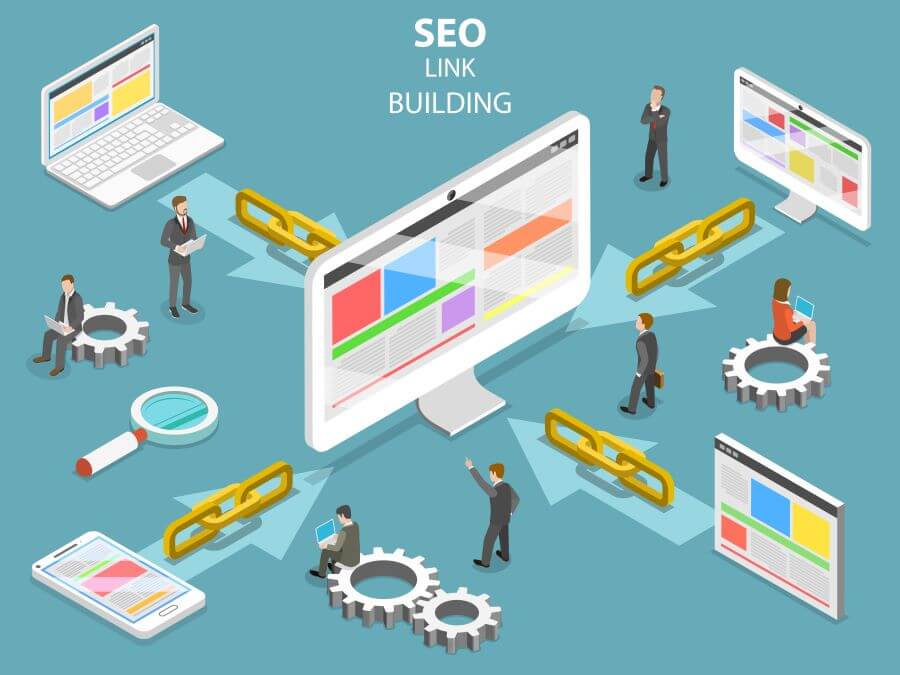
Digital PR and SEO are closely intertwined. By securing backlinks from high-authority websites, businesses can improve their search engine rankings. Guest blogging, being mentioned in articles, or having your products reviewed by bloggers can all contribute to improving SEO.
Local SEO for Small Businesses
For local businesses, digital PR efforts can significantly boost local SEO. Mentions in local media, citations on regional directories, and reviews on location-based platforms help ensure your business appears in local search results.
Example: A local restaurant partners with a regional food blogger for a feature article, resulting in an uptick in local search traffic and customer bookings.
Strategy 6: Online Reviews and Reputation Management
Encourage Positive Reviews
Online reviews can make or break your reputation. Encourage satisfied customers to leave reviews on platforms like Google, TripAdvisor, or Trustpilot. Positive reviews build trust and serve as social proof for potential customers.
Responding to Negative Feedback
It’s essential to engage with reviews, especially negative ones. A thoughtful, professional response to criticism can demonstrate your commitment to customer satisfaction and repair any damage to your reputation.
Example: A hotel chain encourages guests to leave reviews post-stay, and when faced with a negative review, quickly responds and offers a solution, leading to improved customer satisfaction and an enhanced online image.
Strategy 7: Engage on Social Media
Build a Strong Social Presence
Maintaining an active social media presence is vital for digital PR. Share content, respond to followers, and participate in trending discussions to keep your brand visible and relevant. Social media provides an excellent platform for engaging with your audience in real-time.
Real-Time Engagement
Using social media to handle customer service or feedback in real-time can boost your reputation. Quick responses to inquiries or complaints show your brand is attentive and values its customers.
Example: A fashion brand uses Instagram stories to answer customer questions during a live product launch, increasing engagement and sales.
Conclusion
Digital PR is an essential strategy for businesses looking to boost their online presence, credibility, and SEO rankings. From creating high-quality content to leveraging influencer marketing and managing online reviews, these seven strategies can significantly impact how your business is perceived online. By consistently applying these strategies, businesses can ensure they stay visible, trusted, and relevant in an increasingly competitive digital world.